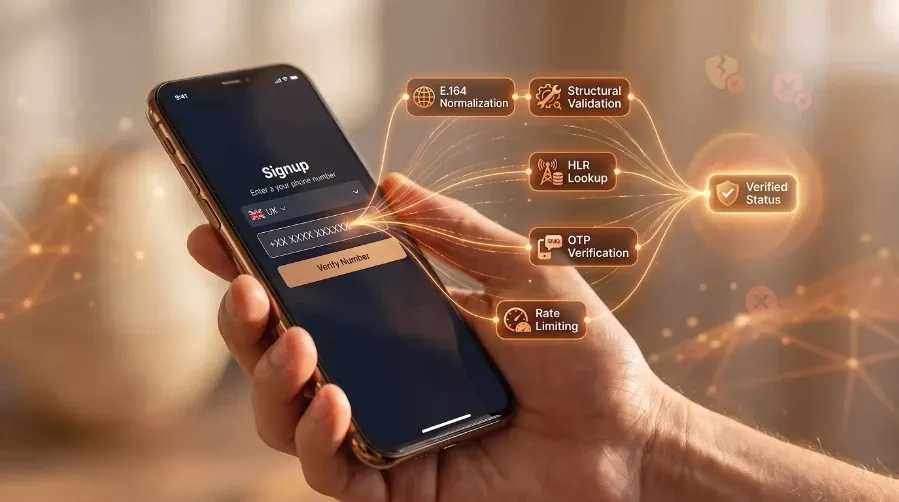
Bulk cleaning vs real-time checks
Two operational modes cover almost everything these teams run, and they serve different needs. Knowing which is which keeps you from over-engineering a simple form or under-protecting a critical send.
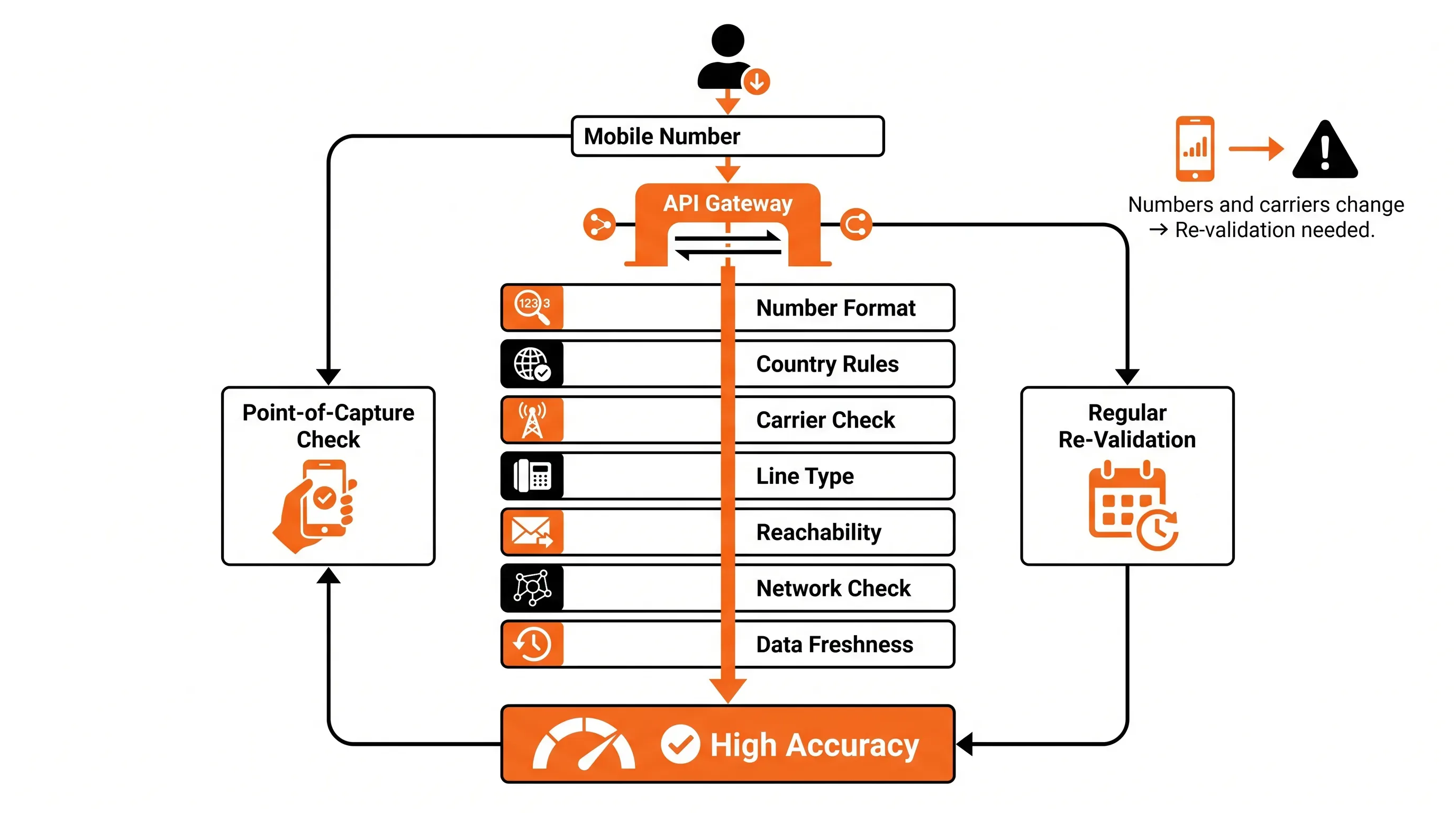
Bulk validation cleans an existing list or prepares a large campaign send. You export records and run the file before you import the status fields back into your CRM. Acudo's own batch process takes a full file at scales of millions of rows and returns a structured verdict on whether to keep the record or suppress it for re-collection. Scheduled batches and cached results matter here because they stop you paying to recheck the same record twice in a short window.
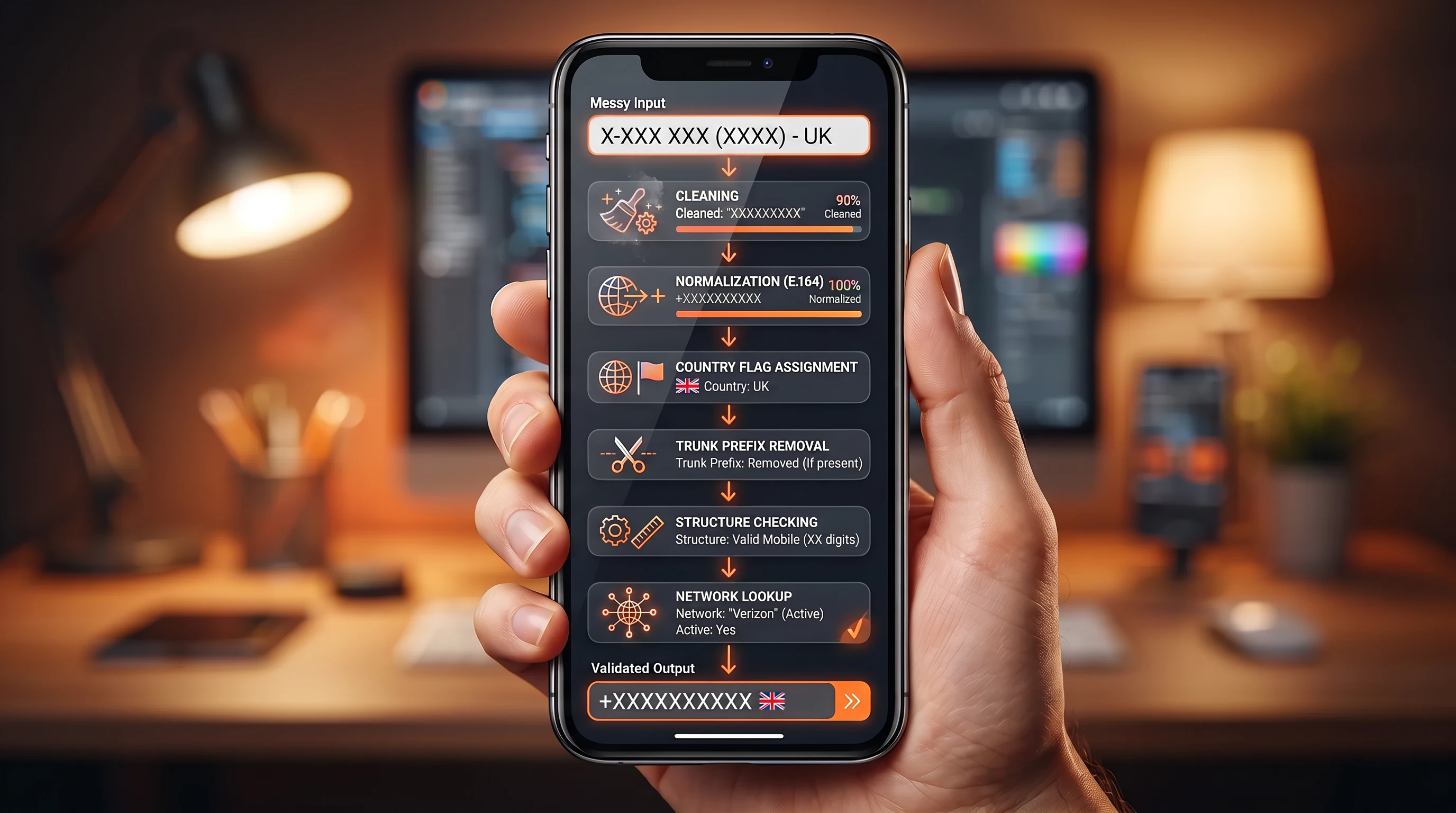
Real-time validation runs at onboarding or checkout, where a check completes in milliseconds and the customer never feels it. The request goes out as the number is typed, and the response comes back before the page moves on. This is a request-response service, as Acudo describes its mobile number validation API, that talks to network registries instead of guessing from the shape of the digits.
So the split is clean. Bulk mode is for list hygiene and big sends. Real-time mode is for live capture, where friction is the enemy. Most teams end up running both, and a single phone validation tool built around an API can serve each mode without forcing you to choose one forever.
The cost of wasted sends
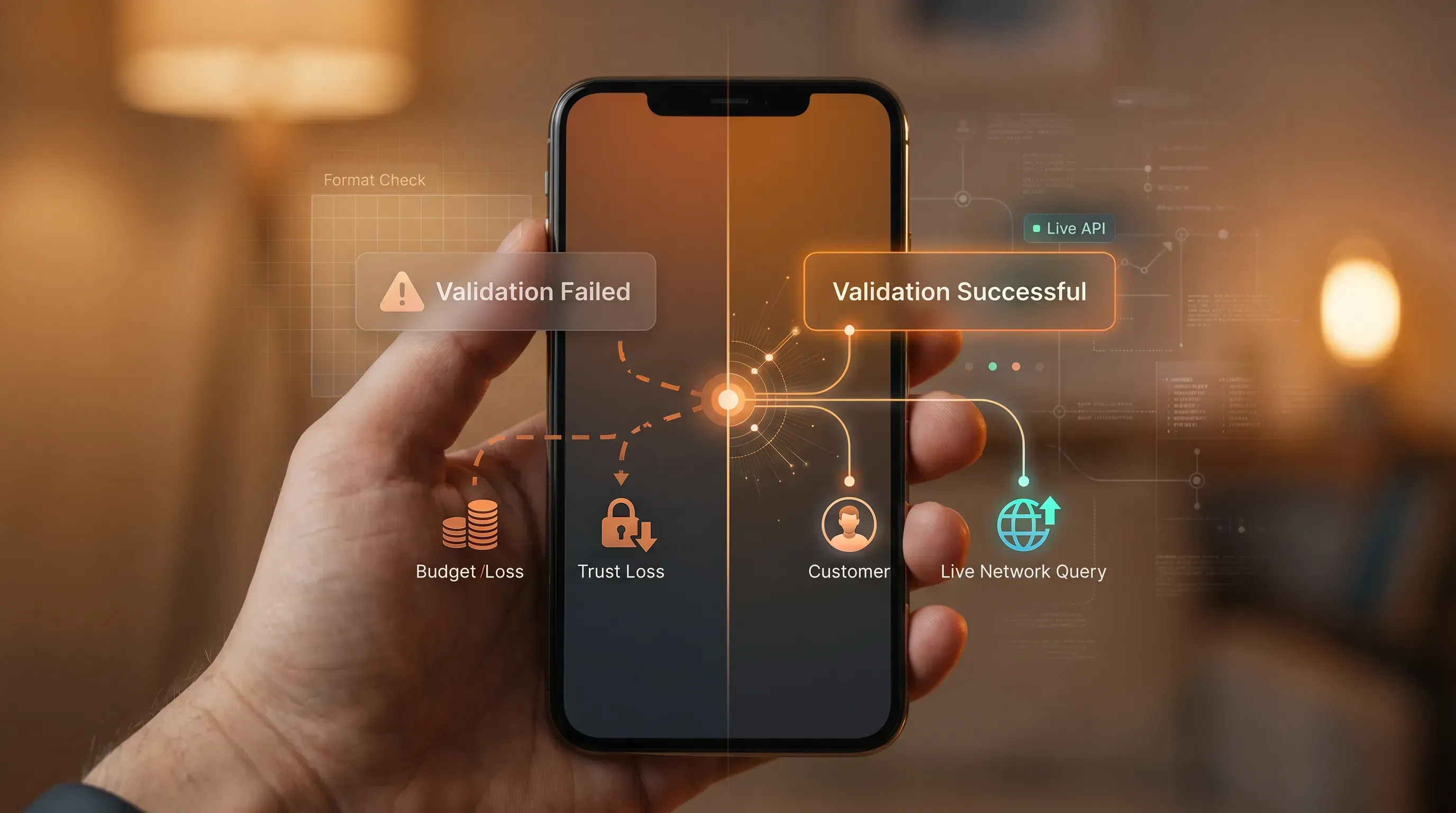
Here's the commercial case in plain numbers. Every invalid mobile record you send to burns message credit and distorts the failure reporting your team is judged on. A campaign that looks like it reached 100,000 people but actually reached 78,000 tells you a story about engagement that isn't true and wastes spend.
There's a reputation cost too. Rising SMS bounce rate damages your sender reputation, and carriers respond by filtering more of your traffic. So the dead numbers drag down delivery for the good numbers in the same send.
The teams named at the start of this piece feel it in different ways:
-
Fintech onboarding stalls when an OTP never arrives. SP 800-63B guidelines discuss OTP delivery risks over SMS.
-
Logistics delivery alerts don't land, so the customer waits at the wrong time and the support line lights up.
-
Ecommerce promotions miss the people they were meant for. Every wasted send is return left on the table.
Cleaning numbers before they hit the queue protects both the budget and the integrity of the metrics you report on. An API that runs ahead of the send is the difference between a number you hope works and one you know does.
How validation improves customer experience
Cost is one half of the story. The half your CX and operations teams care about most is whether the customer ever feels let down, and contactability sits underneath that.
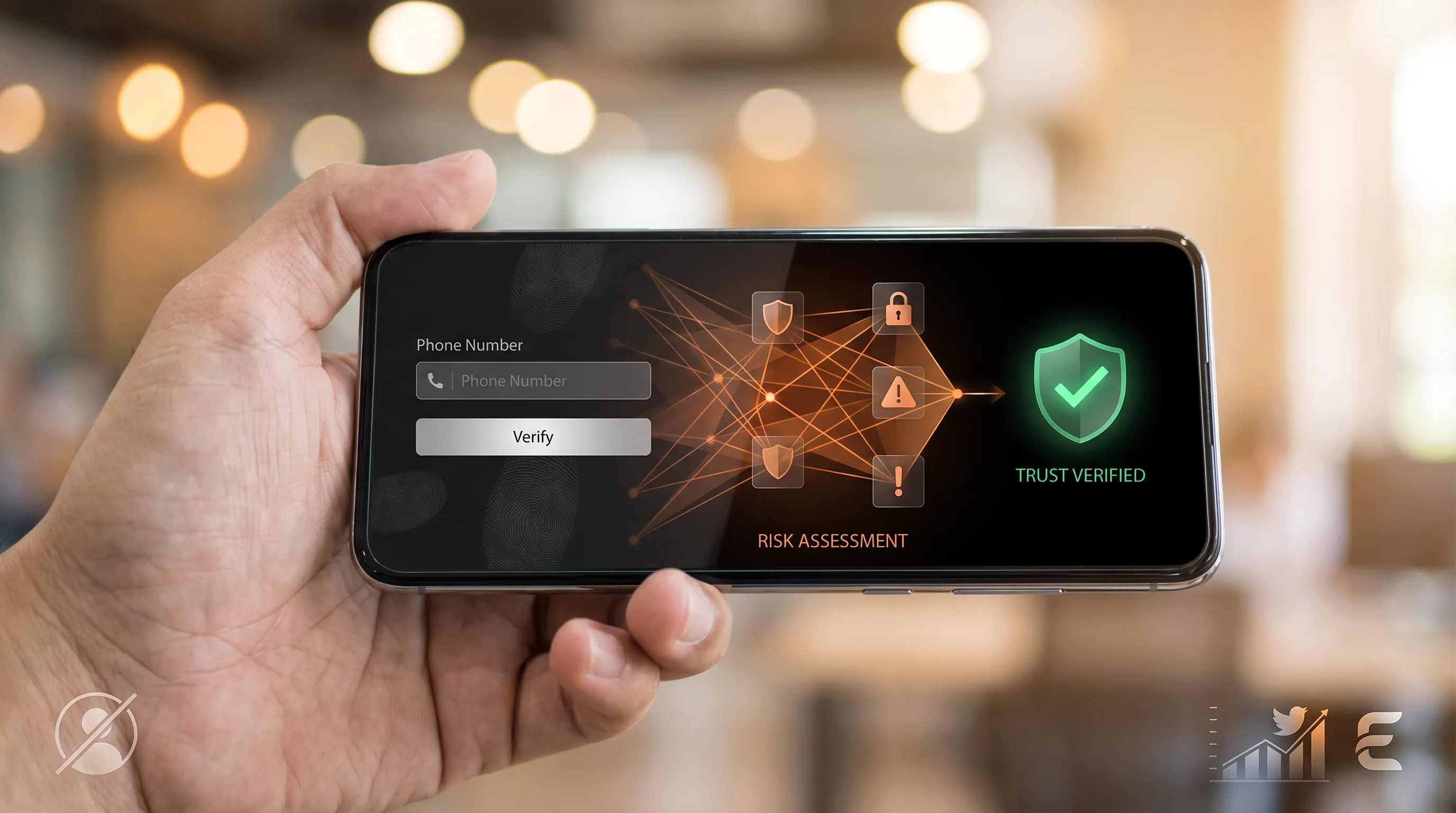
When messages such as order updates and security codes reliably arrive, the customer trusts the channel and stops calling in to ask where their message is. That's a direct cut to inbound support load. SMS earns this trust because it gets read: the channel sees high open rates, but only if the number underneath is real and reachable in the first place.
There's a quieter benefit at signup. A real-time check catches a mistyped number while the customer is still on the page and can fix it, instead of letting the error surface days later when a delivery alert vanishes into nowhere. Landlines cannot receive a text, quietly drain a list until a phone validation tool flags them. An HLR lookup confirms the line is a live mobile before that friction ever reaches the customer.
Which brings the through-line back into focus. A number on file only helps if it can be reached. A number validation API is what closes the gap between those two states, and it does it before the customer ever notices there was a gap.
Getting started with cleaner data
Turning this into action is a short sequence. Use a lightweight format check at capture, then use a live HLR lookup for bulk CRM cleanup and pre-send passes on the batches that matter. The depth of check should match the stakes of the send. Integration into a CRM or existing workflow is straightforward because a phone validation tool runs through an API that returns status fields you import straight back into your records.
Acudo specializes in one job: it confirms whether numbers are reachable and correctly formatted before your budget is spent. If contactability sits at the center of your operations, speak to Acudo about mobile validation workflows and see how a specialist mobile number validation API can improve your customer contactability without unnecessary CPaaS complexity.